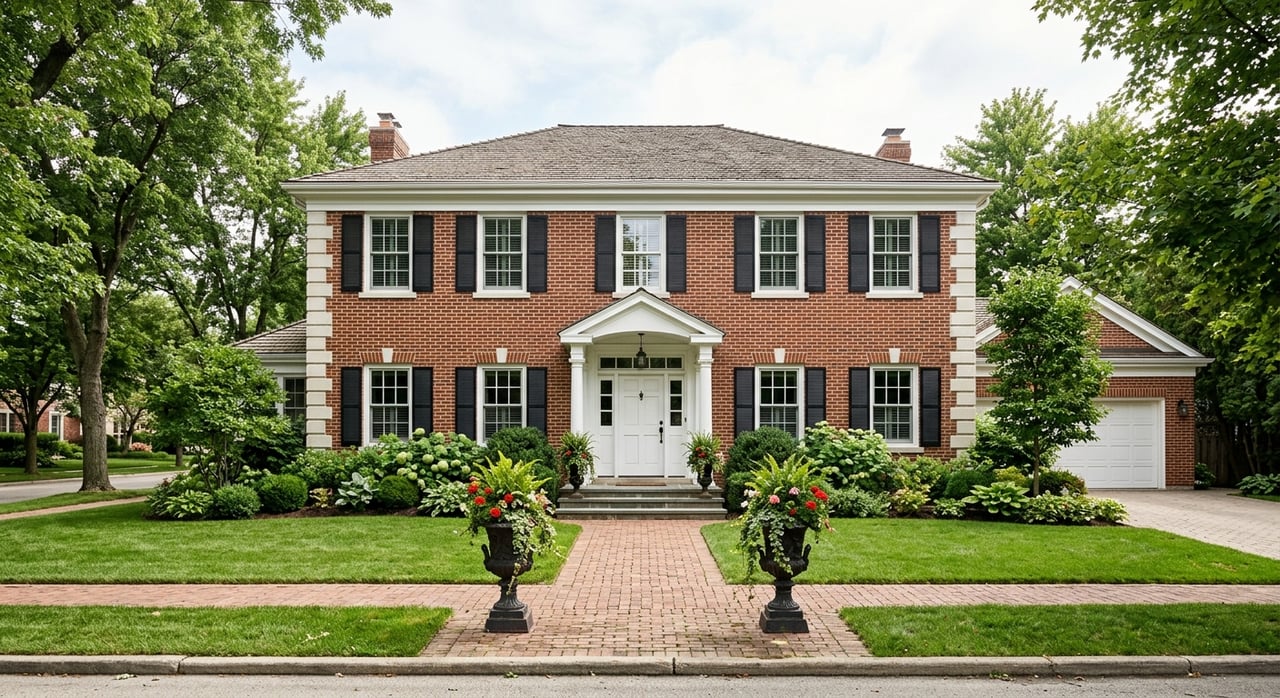
If you want your Annapolis home to stand out, the work starts before the listing goes live. In a market where homes are competitive, buyers notice condition, presentation, and missing details right away. A smart prep plan can help you make a strong first impression, avoid preventable delays, and feel more confident when it is time to hit the market. Let’s dive in.
Why prep matters in Annapolis
According to Redfin’s Annapolis housing market snapshot, homes in Annapolis are very competitive, receive about 4 offers on average, and sell in around 35 days. The same report shows a median sale price of $622,000 in March 2026. In a market like that, the goal is often to help buyers connect with your home quickly, not to over-improve it.
That is especially true in Annapolis, where older homes, flood-prone areas, and historic-district rules can affect your prep timeline. If your property is in a lower-lying area such as parts of downtown Annapolis, City Dock, or Eastport, it is worth reviewing drainage, water intrusion history, and flood-related paperwork early because the City of Annapolis notes flood losses are not covered under standard homeowners insurance.
Start with a seller game plan
Before you clean, paint, or book any vendor, take a step back and map out the basics. Your prep checklist should match your home’s age, location, and condition.
A focused plan can help you decide which updates are worth doing now, which documents to gather, and whether any local rules may affect the timeline. This is where local guidance can be especially helpful if your home is older, in the Historic District, or has flood-related considerations.
Review your home’s key factors
Ask yourself a few practical questions first:
- Was the home built before 1978?
- Is it located in or near a flood-prone area?
- Is it within the Annapolis Historic District?
- Are there minor issues buyers will notice immediately?
- Do you already have repair records, warranties, or past inspection reports?
These answers shape the rest of your prep. They can also help you avoid doing work out of order.
Step 1: Declutter and depersonalize
One of the simplest ways to improve how your home shows is to remove visual distractions. Buyers need space to picture their own furniture, routines, and style in each room.
That advice is backed by the National Association of REALTORS® 2025 staging snapshot, which found that 83% of buyers’ agents said staging makes it easier for buyers to visualize a property as their future home. The most commonly staged rooms were the living room, primary bedroom, and dining room, so start there if you want the biggest impact.
What to remove first
Focus on the items that make rooms feel crowded or overly personal:
- Extra chairs, side tables, and bulky furniture
- Personal photos and highly specific decor
- Overflow from countertops and open shelving
- Seasonal storage, pet items, and hobby gear
- Closets packed beyond easy use
The goal is not to make your home feel empty. It is to make it feel open, calm, and easy to walk through.
Step 2: Deep clean and brighten
Clean homes tend to feel better maintained, and that matters the moment buyers step inside or scroll through photos online. In many cases, a thorough cleaning does more for presentation than an expensive update.
Light is also a major part of how buyers respond to a space. NAR’s article on smart lighting and staging notes that lighting helps set the tone for showings, creates emotional connection, and draws attention to a home’s best features.
Your cleaning and lighting checklist
Use this short list to improve daily showings and listing photos:
- Wash windows and glass doors
- Clean baseboards, trim, and high-touch surfaces
- Refresh kitchens and bathrooms carefully
- Replace dim or mismatched light bulbs
- Open blinds and curtains to maximize natural light
- Make sure every lamp and fixture works
If a room feels dark, check the bulb color and wattage consistency. Small lighting fixes can make rooms feel more inviting in photos and in person.
Step 3: Handle minor repairs strategically
You do not always need a long renovation list before selling. In Annapolis, where first impressions matter, it often makes more sense to tackle the small defects buyers notice right away.
Think dripping faucets, loose hardware, chipped paint, squeaky doors, missing caulk, cracked switch plates, and burned-out exterior bulbs. These are not usually dramatic issues, but they can create the impression that bigger maintenance items may have been missed too.
Be careful with older homes
If your home was built before 1978, repair planning needs extra care. The EPA says sellers of pre-1978 homes must provide a federal lead warning statement, an EPA-approved pamphlet, and any known information about lead-based paint hazards before a buyer is contractually bound. Buyers also generally receive a 10-day opportunity to inspect unless the parties agree otherwise, according to the EPA lead disclosure requirements.
Maryland also requires lead-safe work practices for abatement activity and states that dry scraping, dry sanding, and burning lead paint are prohibited. If you are planning cosmetic work on an older property, review the state’s guidance on lead-paint contractor and work practice requirements before work begins.
Watch for historic-district rules
If your property is in the Annapolis Historic District, exterior work may need review before you start. The city’s Historic Preservation Division says a Certificate of Approval is required for exterior changes visible from a public way, and applications must be filed at least 25 days before the regular monthly meeting.
That does not mean you cannot improve the exterior. It means you should ask early, apply early, and avoid last-minute surprises that could affect your listing timeline.
Step 4: Boost curb appeal
Your exterior sets expectations before buyers ever reach the front door. That is why curb appeal deserves a place on every prep checklist.
The NAR 2025 outdoor features report found that 92% of REALTORS® recommended curb appeal improvements before listing, and 97% said curb appeal matters in attracting a buyer. In practical terms, that supports simple projects that make the home look cared for and easy to approach.
Easy curb appeal wins
You do not need a full landscape overhaul. Start with the basics:
- Mow and edge the lawn
- Add fresh mulch where needed
- Sweep walkways and porch areas
- Clean the front door and entry hardware
- Trim overgrown shrubs or branches
- Confirm porch lights and exterior lights work
For Annapolis sellers, this is also a good time to look for signs of drainage issues near entrances, downspouts, and low spots in the yard. If your property is in an area with known flood concerns, visible water-management issues can raise questions quickly.
Step 5: Gather documents early
One of the most overlooked parts of listing prep is paperwork. But in many sales, being organized early can save time, reduce stress, and make it easier to answer buyer questions once showings begin.
Maryland requires sellers of certain residential property to provide either a disclosure statement or a disclaimer statement, and known latent defects still must be disclosed even in an as-is sale. The state also requires use of the Maryland Real Estate Commission disclosure/disclaimer form in applicable transactions.
Documents to collect now
Start a folder with anything that supports the home’s condition or history, including:
- Repair and maintenance receipts
- Appliance and system warranties
- Permit records, if available
- Prior inspection reports
- Flood-related records or water intrusion documentation, if applicable
- Lead paperwork for pre-1978 homes
- Maryland disclosure or disclaimer materials
This step is especially helpful if your home has had recent repairs, older features, or property-specific issues that buyers may ask about.
A simple Annapolis prep timeline
If you are not sure where to begin, this order usually keeps things manageable:
| Timing | Priority |
|---|---|
| 3 to 4 weeks before listing | Review home age, location factors, and any historic or flood-related concerns |
| 2 to 3 weeks before listing | Declutter, depersonalize, and gather documents |
| 1 to 2 weeks before listing | Deep clean, improve lighting, and complete minor repairs |
| Final week before listing | Finish curb appeal, confirm working lights, and prepare for photos and showings |
Every home is different, but this sequence helps you handle the high-impact tasks first.
When local help makes a difference
Selling in Annapolis can involve more than standard cleanup and staging. You may be balancing pricing decisions in a fast-moving market, deciding which repairs are worth the effort, and checking whether older-home, flood-related, or historic-district issues need attention.
That is where a high-touch listing team can add real value. With the right guidance, you can focus on the updates that support a strong launch, stay organized with disclosures, and avoid spending time or money on work that may not move the needle.
If you are getting ready to list and want a clear plan built around your home, neighborhood, and timing, connect with Samara Dinnius for thoughtful, hands-on support from start to finish.
FAQs
What should sellers do first before listing a home in Annapolis?
- Start by reviewing your home’s condition, age, location, and any issues that could affect prep, such as pre-1978 lead rules, flood concerns, or Historic District approval requirements.
How important is staging when selling a home in Annapolis?
- Staging can make a meaningful difference because NAR’s 2025 staging survey found that 83% of buyers’ agents said it helps buyers visualize a property as their future home.
What disclosures are required when selling residential property in Maryland?
- Maryland requires sellers of certain residential property to provide either a disclosure statement or a disclaimer statement, and known latent defects must still be disclosed using the applicable state form.
What lead-based paint rules apply to older Annapolis homes for sale?
- If your home was built before 1978, federal rules require you to provide an EPA-approved pamphlet, a lead warning statement, and any known information about lead-based paint hazards before the buyer is contractually bound.
What exterior changes need approval in the Annapolis Historic District?
- Exterior changes visible from a public way may require a Certificate of Approval through the city’s Historic Preservation Division, so it is wise to ask and apply early before starting work.
What flood-related items should Annapolis sellers check before listing?
- If your home is in a flood-prone area, review drainage, any history of water intrusion, and related records early, since the City of Annapolis notes that flood losses are not covered under standard homeowners insurance policies.