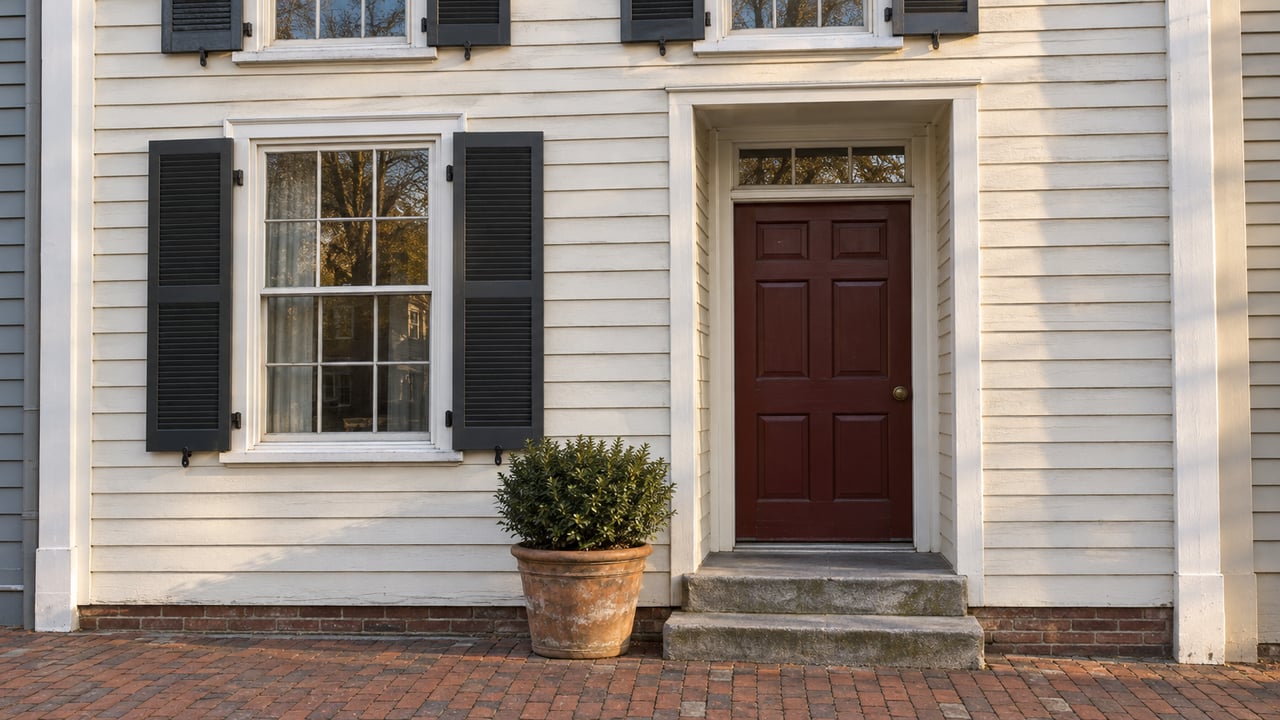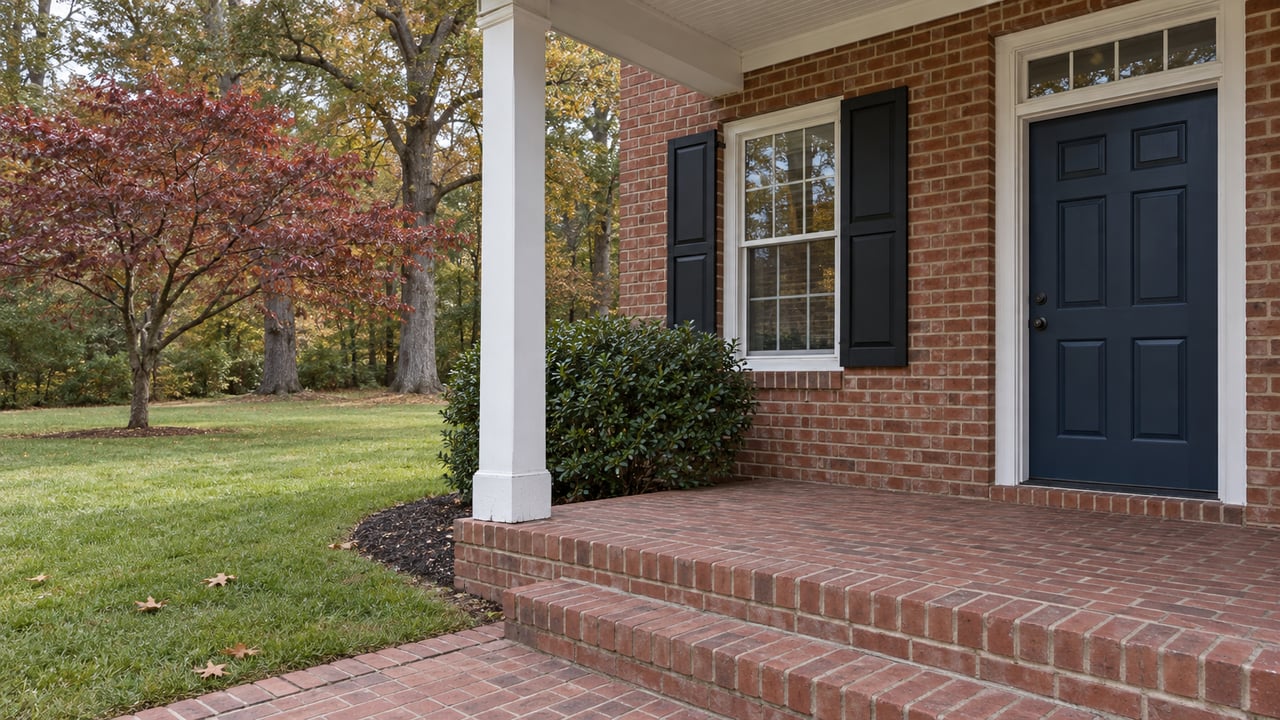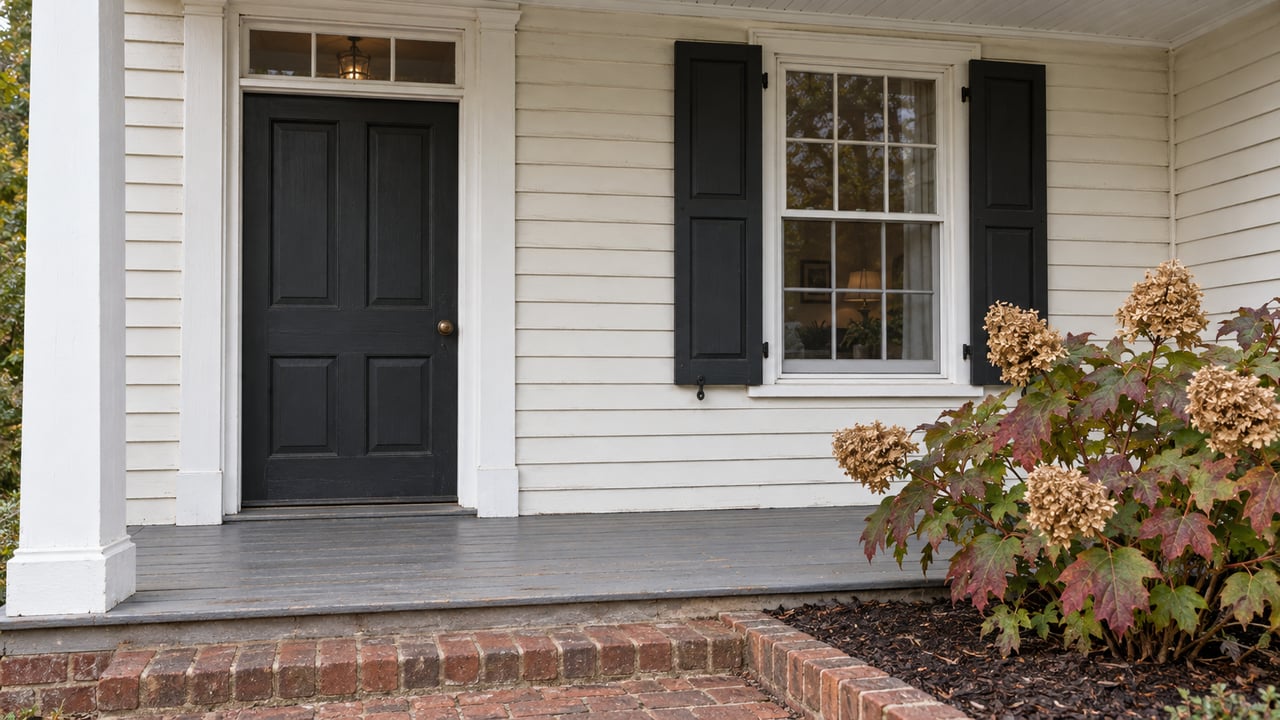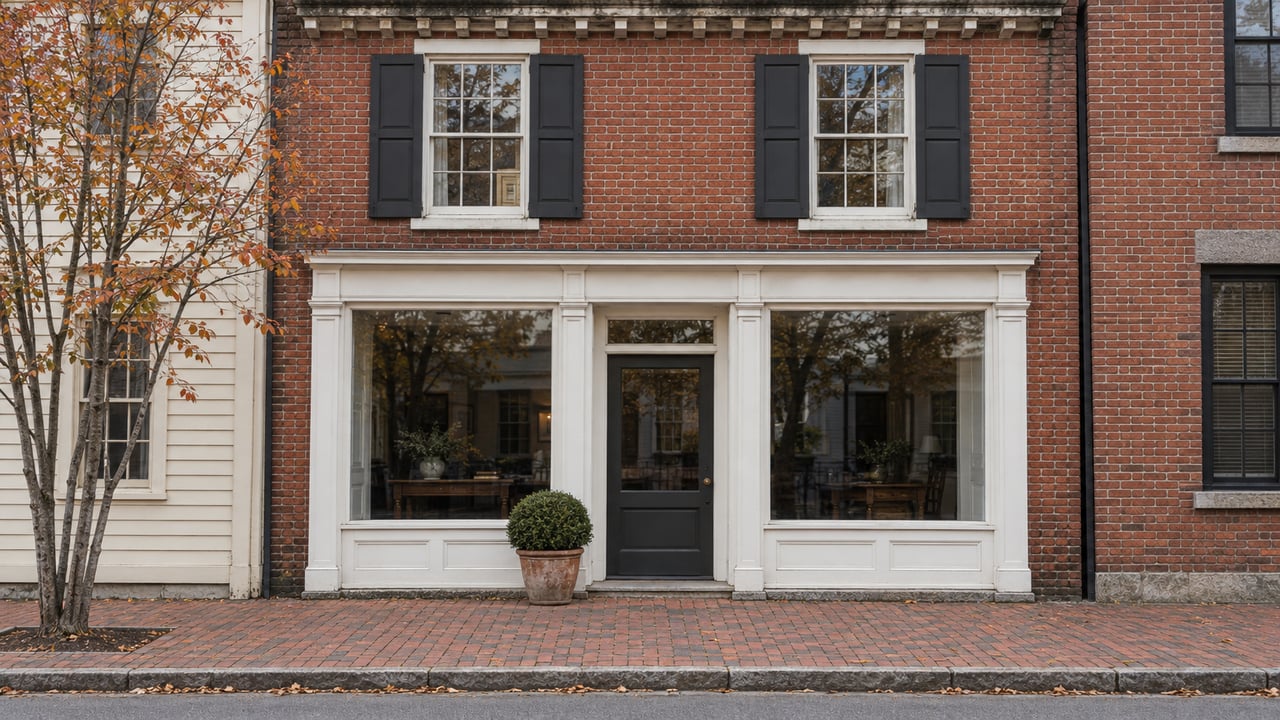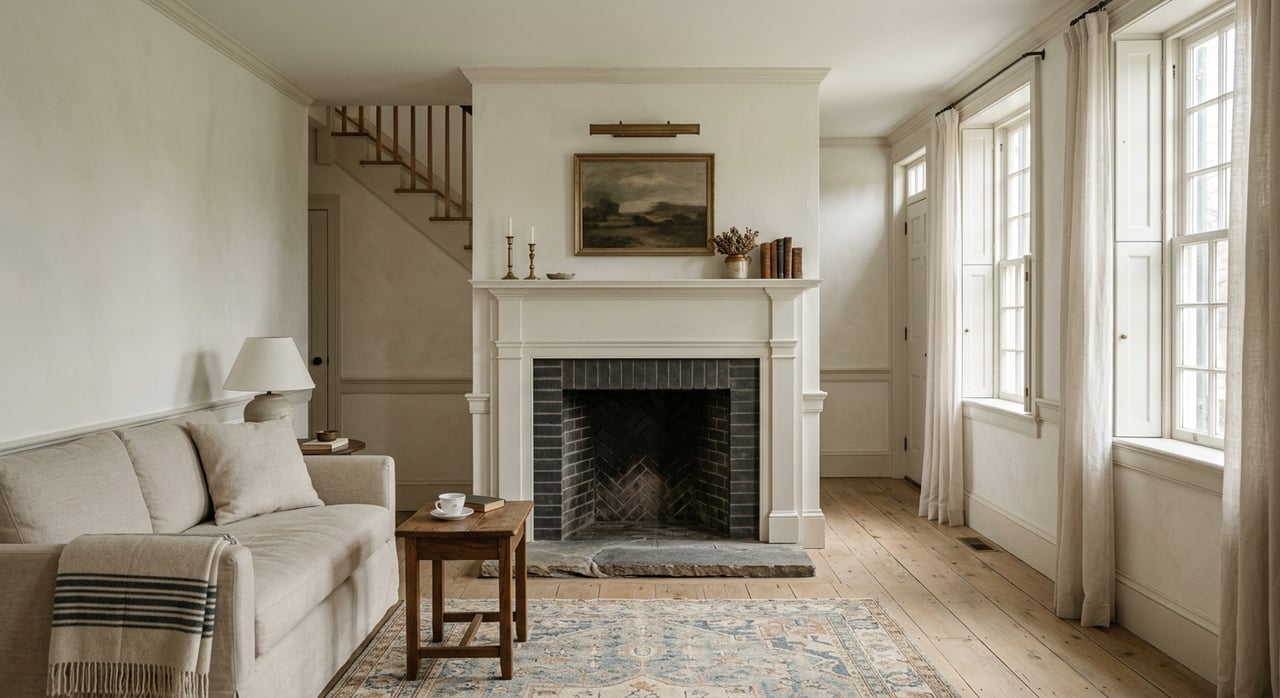
Wondering how to market a historic home in Port Tobacco, MD without losing what makes it special? You are not just selling square footage here. You are presenting a property that may connect to one of Maryland’s oldest and most documented places. With the right strategy, you can highlight the home’s story, answer buyer questions upfront, and attract people who truly value historic character. Let’s dive in.
Why Port Tobacco marketing is different
Port Tobacco is not a typical market for a historic listing. According to the National Park Service, the area traces its story from the Potapaco village observed in 1608 to a port established in 1684, later becoming Charles County’s seat in 1727 before declining after siltation and the move of the county seat to La Plata in 1895.
That history matters because buyers looking at a historic home in Port Tobacco are often drawn to more than the floor plan. The Maryland Historical Trust record for the Port Tobacco Historic District notes the district was listed in 1989, spans 1684 to 1900, and is heavily archaeological, with about 90% of historic features identified as archaeological sites.
This means your marketing should do more than list bedroom and bathroom counts. It should help buyers understand where the home fits within the broader story of historic Port Tobacco.
Lead with the home’s story
Historic homes are a niche market, and that can work in your favor. The National Association of Realtors notes that buyers of historic homes often care about legends, period details, and renovation history.
In Port Tobacco, storytelling should be rooted in verified context. The National Park Service guidance on promoting historic places supports place-based storytelling that connects a site to its surrounding history. For your listing, that may mean framing the home in relation to the old county seat, the historic village, the courthouse area, or the district’s long port history.
You do not need to oversell. You simply need to help buyers see the property as part of a documented place with lasting significance.
What that story can include
A strong historic-home listing often highlights:
- Original or preserved architectural details
- Known renovation history
- Dates of major updates
- The home’s relationship to the historic district
- Nearby heritage landmarks interpreted by the county
For example, Charles County Tourism currently highlights the courthouse, Stagg Hall, Burch House, the One-Room School House, and the Agricultural Heritage Museum as key features of Historic Port Tobacco Village. If your property sits near this historic setting, that context can help shape how buyers understand the location.
Document updates before listing
One of the best ways to build trust with buyers is to prepare a clean, organized seller file before your home goes live. NAR recommends knowing the home’s renovation history, including the last substantial kitchen or bathroom remodel and whether major systems like HVAC have been replaced.
For a historic home, this step is especially important. Buyers often expect charm, but they also want clarity about function, maintenance, and recent improvements.
Include these details in your prep file
Try to gather:
- Dates of kitchen and bathroom updates
- HVAC, electrical, plumbing, or roof replacement dates
- Receipts or contractor records for major repairs
- Prior approvals for exterior work
- Historic designation documents, if applicable
- Easement documents, if applicable
Having this ready can make your listing stronger and make buyer conversations smoother.
Preserve character in pre-sale improvements
When you prepare a historic home for sale, the goal is usually not to modernize everything. It is to improve presentation and function while protecting the features that give the property its identity.
The National Association of Realtors advises sellers to preserve period details and focus updates on high-use spaces such as kitchens and bathrooms. That balance matters in Port Tobacco, where buyers may be specifically looking for authenticity.
Focus on smart, selective updates
Before listing, consider improvements that help the home show well without stripping its character, such as:
- Refreshing worn paint where appropriate
- Repairing damaged materials instead of replacing historic elements unnecessarily
- Improving kitchen or bath function with a light touch
- Servicing major systems
- Addressing deferred maintenance that may concern buyers
If you are considering energy-related improvements, the National Park Service notes that historic properties can often become more energy efficient while preserving their historic character. It recommends starting with an energy audit and then evaluating options like air sealing, appropriate insulation, upgraded systems, and window or door improvements.
Invest in professional presentation
Historic homes live and die online before many buyers ever step through the door. NAR reports that more than 90% of buyers search for homes online, and 85% say photos are the most important factor in deciding which homes to visit.
That is why presentation matters so much. A historic home needs photography that captures both beauty and accuracy.
Photo prep matters more than you think
According to NAR’s photography guidance, sellers should:
- Declutter rooms
- Clean light fixtures
- Dust thoroughly
- Remove distracting props
- Use balanced light
- Avoid misleading wide-angle distortion
For a Port Tobacco historic home, photos should showcase details that buyers care about, such as trim, fireplaces, woodwork, porches, masonry, staircases, and the relationship between the home and its setting. The goal is to help buyers appreciate the property’s character before they ever schedule a showing.
Verify designation and review rules early
One of the biggest mistakes sellers can make with a historic property is assuming all historic designations work the same way. They do not.
The Maryland Historical Trust explains that National Register listing does not, by itself, restrict an owner unless state or federal permits, funds, or tax credits are involved. Local designation is different. In Charles County, exterior changes to locally designated landmarks are reviewed by the local Historic Preservation Commission.
Questions to verify before listing
Before your home hits the market, confirm:
- Whether the property is National Register listed, locally designated, both, or neither
- Whether past exterior work received required approvals
- Whether future exterior changes may require review
- Whether an easement affects the property
- Whether archaeology review could matter for future site work
This matters in Port Tobacco because Charles County’s historic preservation guidance says a Historic Area Work Permit may be required for exterior construction, alteration, reconstruction, moving, or demolition affecting qualifying properties. The county also notes that routine maintenance with like materials may be exempt, while changes to roofs, siding, windows, doors, porches, masonry, paving, fencing, and signs can trigger review.
Because the historic district is also heavily archaeological, development or site work may involve additional review where cultural resources could be affected.
Address incentives and easements clearly
Historic status may also create opportunities or obligations, and buyers will want clear answers. If the property is a single-family, owner-occupied residence that is also a certified historic structure, the Maryland homeowner historic tax credit may be relevant. MHT says the credit can equal 20% of eligible rehabilitation expenses, up to $50,000 in a 24-month period, subject to program requirements.
If the property is income-producing rather than owner-occupied, the federal 20% historic tax credit may apply, but the National Park Service states that it does not apply to private residences.
You should also check whether a preservation easement exists. The Maryland Historical Trust easement guidance explains that easements are tied to the property, not the owner, and often require approval for changes such as construction, demolition, painting, grading, or site alterations.
Being upfront about these details can help serious buyers move forward with confidence.
Build a buyer-ready listing package
The best historic-home marketing does not just create interest. It reduces uncertainty.
When buyers see a historic property, they often ask practical questions right away. What work has been done? What approvals are on file? What can be changed later? Are there any restrictions or tax credit conditions attached to the property?
A stronger listing package can include
- A concise property history based on documented facts
- A timeline of renovations and repairs
- Major system information
- Designation status
- Permit or approval records for exterior changes
- Easement information, if applicable
- Notes on any potential tax credit relevance
This kind of preparation supports smoother showings, cleaner negotiations, and fewer surprises during due diligence.
Why local guidance matters
Marketing a historic home in Port Tobacco takes more than a standard listing template. You need a strategy that respects the property’s character, presents it beautifully online, and anticipates the extra questions buyers are likely to ask.
That is where local, hands-on support can make a real difference. From preparing the home for market to coordinating photography, listing presentation, and buyer communication, a thoughtful plan helps you protect the home’s story while positioning it competitively.
If you are getting ready to sell a historic home in Port Tobacco, working with a local team that values detail, transparency, and polished presentation can help you move forward with confidence. Connect with Samara Dinnius to plan a tailored approach for your property.
FAQs
What makes marketing a historic home in Port Tobacco different from marketing a typical home?
- Port Tobacco buyers may care as much about the home’s documented history, preserved details, and setting within the historic district as they do about size and layout.
What historic designation questions should Port Tobacco home sellers verify before listing?
- You should confirm whether the property is National Register listed, locally designated, both, or neither, because local designation can affect exterior review requirements.
What records should sellers gather when listing a historic home in Port Tobacco?
- Sellers should gather renovation dates, major system records, exterior approval documents, designation records, and any easement information tied to the property.
What exterior changes to a historic home in Charles County may require review?
- Depending on the property’s status, changes involving roofs, siding, windows, doors, porches, masonry, paving, fencing, signs, or other exterior features may require a Historic Area Work Permit.
What tax credit may apply to a historic home in Maryland?
- For qualifying owner-occupied certified historic structures, Maryland offers a homeowner tax credit worth 20% of eligible rehabilitation expenses, subject to approval and program rules.
What should sellers update before listing a historic home in Port Tobacco?
- Focus on selective improvements that support function and presentation, especially in kitchens, bathrooms, and major systems, while preserving original character where possible.