If you want a place where you can stroll past historic buildings, catch harbor views on an ordinary weekday, and still stay connected to the Baltimore and Washington job markets, Annapolis deserves a close look. For many buyers, the appeal is not just the waterfront. It is the way city convenience, maritime culture, and neighborhood variety all come together in one compact place. Here’s what living in Annapolis is really like and what to know before you make a move.
Why Annapolis Stands Out
Annapolis is more than a scenic waterfront destination. It has been Maryland’s capital since 1694, and its identity blends government, history, boating culture, and everyday residential life. That mix gives the city a feel that is distinct from a typical suburb or a purely tourist-driven downtown.
You also get a location that works well for regional access. Annapolis sits between Baltimore and Washington, D.C., which helps explain why many people see it as a smaller city with broader commuting options. Day to day, it can feel self-contained, but it still connects to larger metro areas when you need them.
Waterfront Life Feels Everyday
In Annapolis, the water is not just something you drive past on weekends. It is part of how the city looks, moves, and gathers. City Dock is designed as a walkable, water-accessible public space, and the harbor supports slips, moorings, shoreline access, and dock areas managed by the city harbormaster.
That maritime setting shapes daily life. You will see boating, fishing, sailing, and racing woven into the city’s culture, not treated as a separate attraction. In warmer months, water taxis and marina activity add even more movement to the waterfront.
One of the best-known spots is Ego Alley, where boaters can dock and dine. Even if you do not own a boat, that kind of activity helps define the energy of the city. It gives Annapolis a lived-in waterfront feel that many buyers are looking for.
Downtown Annapolis Is Highly Walkable
If walkability matters to you, the downtown core is one of Annapolis’s biggest strengths. Areas like Main Street, City Dock, State Circle, Maryland Avenue, and Eastport make it easy to move between restaurants, shops, harbor views, and historic landmarks on foot. That compact layout is a big part of the city’s appeal.
The city also supports getting around without relying on your car for every trip. Annapolis offers local bus service, a free downtown shuttle, ADA paratransit, and seasonal trolley options. There is also Go! Time on-demand service within the city.
That said, your experience depends on where you live. If you are near the downtown core, a car-light lifestyle may feel realistic for many everyday errands and outings. In neighborhoods farther from the center, a car is still useful.
Neighborhoods Offer Different Lifestyles
One of the most important things to know is that Annapolis is not one single housing experience. Different parts of the city offer different street patterns, home styles, and daily routines. That variety can be a major advantage if you want options.
Eastport Has Historic Waterfront Character
Eastport is often associated with the waterfront lifestyle many buyers picture when they think of Annapolis. It is an historic residential neighborhood near downtown with marinas, boating institutions, restaurants, and older homes on narrower lots. Its grid street network also supports a connected, walkable feel in many parts of the neighborhood.
The area west of 6th Street developed more recently, and the layout shifts there. Streets are less connected, and residential lots tend to be larger. If you are comparing homes in Eastport, those differences can affect how the neighborhood feels from block to block.
Downtown Homes Offer History and Proximity
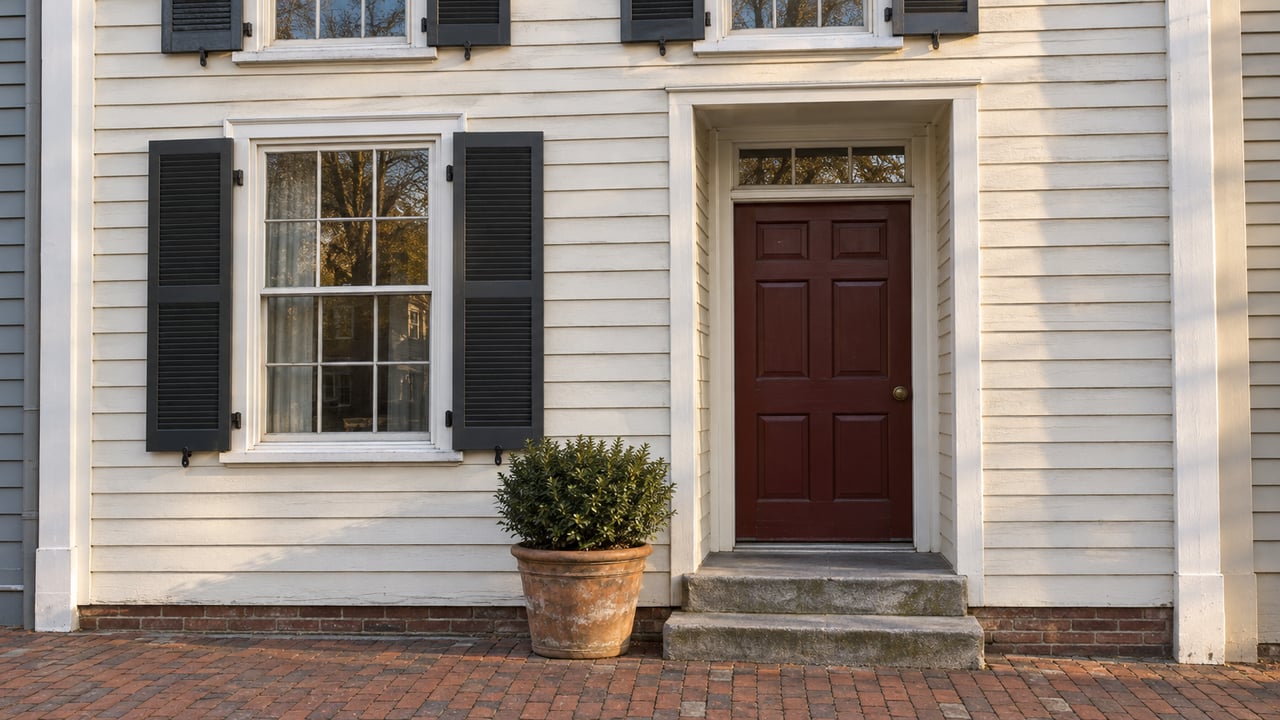
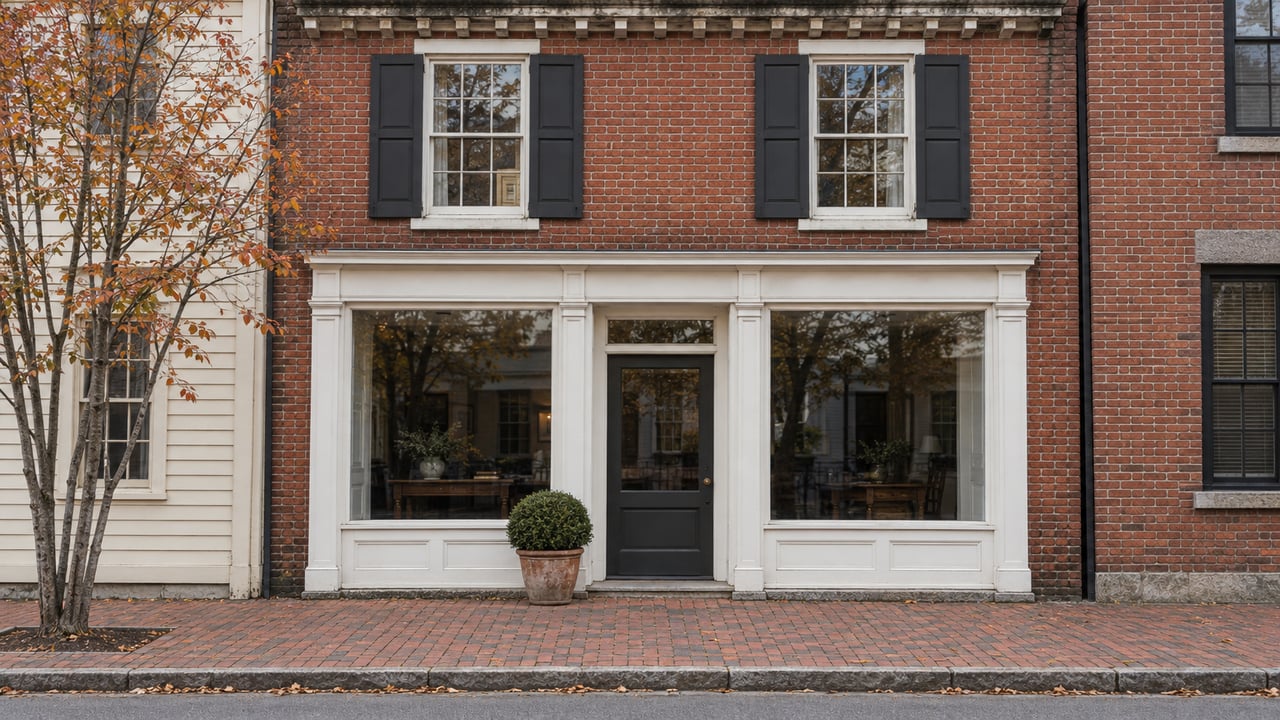
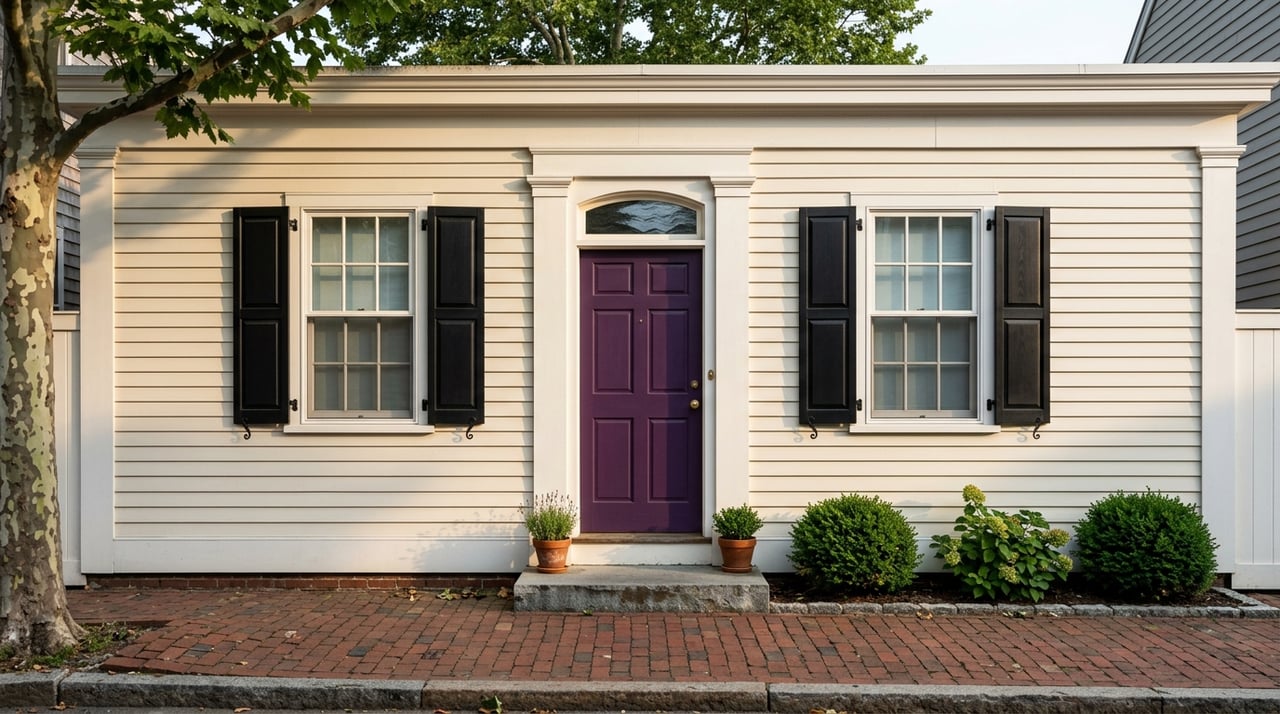
Downtown Annapolis is shaped by older buildings and preserved historic character. The city notes that Annapolis has more original 18th-century structures still standing than any other U.S. city. For buyers, that often means rowhouses, historic homes, and older infill properties close to shops, dining, and waterfront spaces.
Living close to the core can mean a strong sense of place and easy access to everything that makes Annapolis recognizable. It can also mean smaller lots, older home systems, and a more compact urban layout. If you love charm and convenience, that tradeoff may feel well worth it.
West Annapolis Adds Another Waterfront Option
West Annapolis offers another neighborhood setting near the water, just minutes from downtown. For buyers who want access to the city’s core without being right in the historic center, this area can be worth exploring. It is a reminder that Annapolis gives you more than one way to enjoy its waterfront location.
Historic District Living Comes With Extra Considerations
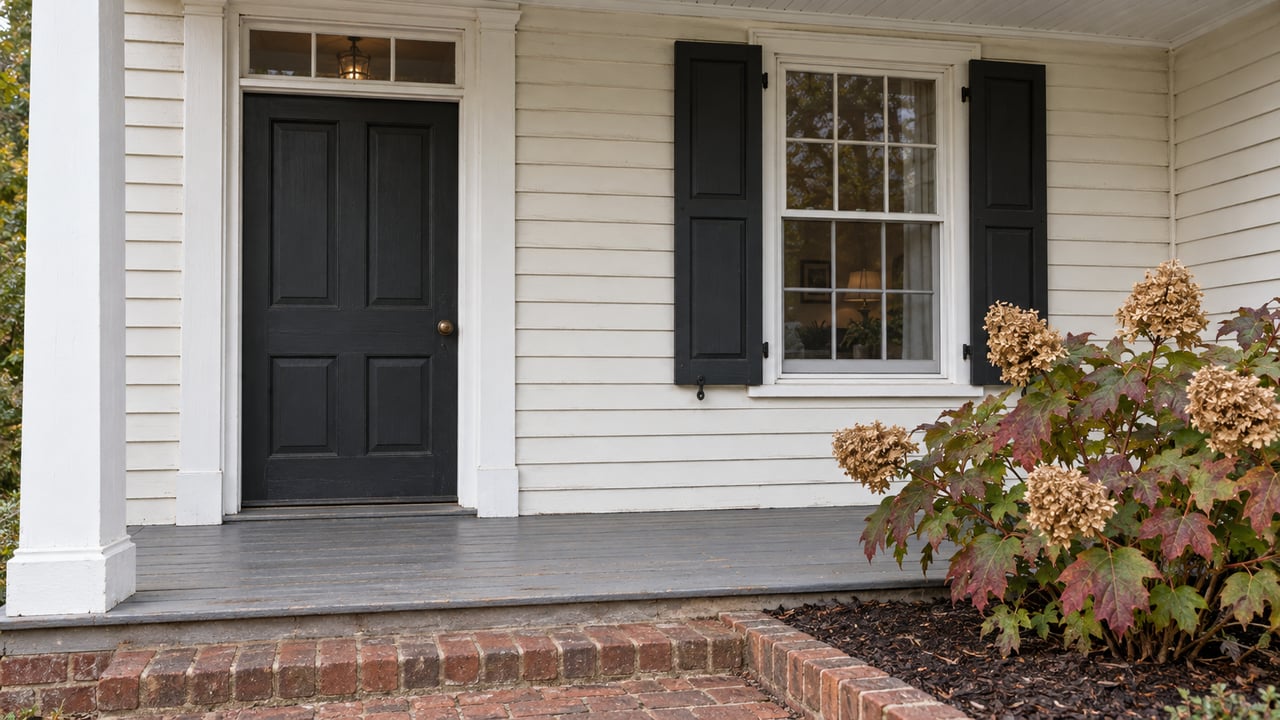
Annapolis’s historic character is a major draw, but it also comes with practical details you should understand before buying. In the historic district, the city’s Historic Preservation Division reviews exterior changes and administers the tax credit program. That means updates to certain homes may involve more oversight than they would in a newer neighborhood.
For some buyers, that is part of the appeal because it helps protect the look and character of the area. For others, it is an important planning factor when budgeting for repairs or future improvements. If you are considering a home in the core, it helps to go in with clear expectations.
Commuting From Annapolis
Annapolis works for many people who want a smaller-city lifestyle but need regional access. By car, the city is about 30 miles from Washington, D.C. and about 25 miles south of Baltimore. Under typical conditions, the drive to the capital is often under an hour.
Public transit adds more options. The Maryland Transit Administration lists Route 220 between Annapolis and Washington, D.C. and Route 215 between Baltimore and Annapolis. The city also points commuters to New Carrollton Metro as a primary Metrorail connection.
That flexibility can be especially helpful if you are relocating for work or balancing office days with remote work. You can enjoy Annapolis as your home base while still keeping ties to larger employment centers. For many buyers, that balance is a big reason the city makes sense.
Is Annapolis Mostly a Tourist Town?
It is easy to see why people ask this, since the downtown and waterfront draw plenty of visitors. But Annapolis is not just a place people visit for a day. It is also a state capital, a residential city, and a working maritime community.
That mix is what makes the city feel layered instead of seasonal. Yes, you will notice visitor activity in the core. But you are also looking at a place where people live, commute, boat, walk to dinner, and build daily routines.
Who Tends to Love Living Here?
Annapolis tends to fit buyers who want more than a standard suburban setup. If you are drawn to historic character, water access, and a compact urban feel, the city offers a lot. It can also work well if you want the option of quieter residential pockets without giving up access to the downtown core.
It is especially appealing if you value lifestyle as much as square footage. Some buyers want a home that puts them close to harbor activity, walkable streets, and neighborhood variety. Others want a practical base for commuting while still living somewhere with a strong sense of place.
What to Weigh Before You Move
Before you buy in Annapolis, it helps to think beyond curb appeal and ask how you want to live day to day. Consider how important walkability is, whether you want to be near the historic core, and how often you expect to commute outside the city. Those answers can help narrow your neighborhood search quickly.
It is also smart to think about home style and upkeep. Older homes may offer character that is hard to match, but they can come with different maintenance needs and, in historic areas, more rules for exterior changes. A clear plan can help you choose a property that fits both your lifestyle and comfort level.
For many buyers, the biggest question is simple: do you want your home to feel connected to the water, the city, or both? Annapolis gives you a real chance to have that combination. The key is finding the part of the city that matches how you want to live.
If you are exploring Annapolis or comparing it with other Maryland communities, working with a local team can make the process much easier. Samara Dinnius offers high-touch guidance for buyers, sellers, and relocating households who want clear advice and steady support from start to finish.
FAQs
What is daily life like when living in Annapolis?
- Daily life in Annapolis often blends waterfront activity, walkable downtown errands, historic surroundings, and access to restaurants, shops, and harbor spaces.
Is downtown Annapolis walkable for full-time residents?
- Yes, downtown Annapolis is highly walkable for many everyday trips, and the city also offers a free downtown shuttle, local bus service, and seasonal trolley options.
What types of homes can you find in Annapolis?
- Annapolis includes historic homes, rowhouses, older infill properties near downtown, and more conventional detached-home neighborhoods farther from the core.
What should buyers know about Annapolis historic district homes?
- Buyers should know that exterior changes in the historic district may be reviewed by the city’s Historic Preservation Division, so historic homes can come with added oversight.
Is Annapolis a good place for commuting to Baltimore or Washington, D.C.?
- Annapolis can work well for regional commuters because it sits between both cities, offers highway access, and has Maryland Transit Administration commuter bus routes to Baltimore and Washington, D.C.
Is Annapolis only for people who want a boating lifestyle?
- No, while the waterfront is a major part of the city’s identity, Annapolis also appeals to buyers who want walkability, historic character, and a compact city feel.